
Kentucky Fried Chicken: A Home Cook’s Take on Crunch, Comfort, and Care
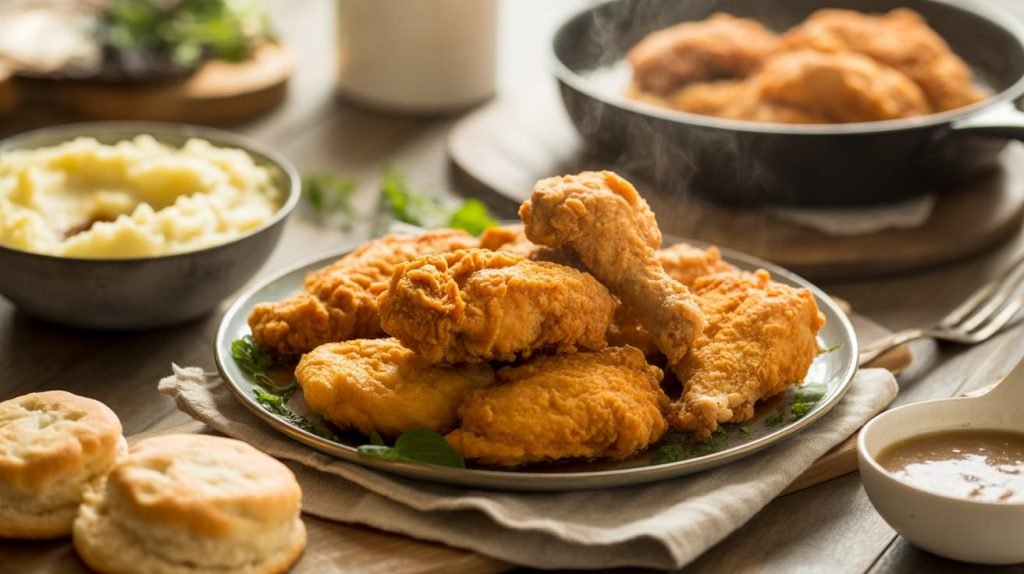
I still remember one quiet evening when the kitchen smelled like warm oil and spices, and rain was tapping against the window. I wasn’t trying to impress anyone. I just wanted something filling, familiar, and comforting. That was the day I finally understood why Kentucky Fried Chicken has such a strong emotional pull. It isn’t just food. It’s a feeling. A slow-cooked moment in an otherwise rushed day.
Over the years, I’ve made this style of fried chicken many times. Some batches were better than others. A few were forgettable. But each attempt taught me something small and useful. What follows isn’t a copied method or a polished formula. It’s simply how this style makes sense to me as a home cook.
What Makes Kentucky-Style Fried Chicken Special
What separates this style from ordinary fried chicken is not drama or mystery. It’s restraint. The seasoning is present but not aggressive. The coating is crisp without being hard. The chicken stays juicy because it’s given time to prepare before frying.
Kentucky-style fried chicken focuses on balance. The crust should crack when you bite into it, but it shouldn’t shatter. The inside should feel tender, not dry or stringy. This balance comes from respecting each step, not skipping ahead.
I’ve learned that when people love this style, they’re often responding to how comfortable it tastes. Nothing shouts. Everything works together.
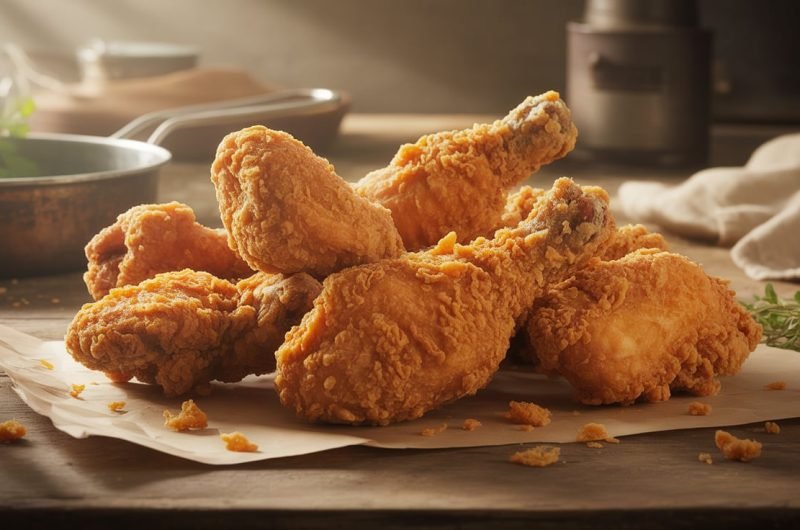
Ingredients (Home Kitchen Version)
Course: Fried Chicken Recipes4
servings30
minutes40
minutes300
kcalI like to think of the ingredients as a small team. Each one has a job.
Ingredients
Chicken pieces with bone
Bone-in chicken stays moist longer and cooks more gently.Flour
This is the foundation of the crust. It carries flavor and texture.Salt and mild spices
These bring warmth, not heat. Think of them as background music.A tangy soaking liquid
This helps the chicken stay forgiving, even if you’re still learning.Neutral cooking oil
The oil should stay out of the way and let the chicken speak.
Step-by-Step Cooking Method (Like I’d Explain to a Friend)
- First, I let the chicken rest in its soaking liquid. Not rushed. A few hours if possible. This step alone fixed many of my early mistakes.
- When it’s time to coat the chicken, I season the flour generously. I always taste a pinch. If the flour tastes flat, the crust will too.
- Each piece of chicken gets pressed into the flour gently. Not shaken. Pressed. Then I set it aside for a short rest. This pause helps the coating cling instead of sliding off later.
- The oil heats slowly. I never rush this part. When a small sprinkle of flour sizzles calmly, I know it’s ready.
- I lower the chicken in carefully and leave it alone. Turning too soon tears the crust. The chicken will tell you when it’s ready to flip. You just have to watch.
- That’s how I make kentucky fried chicken at home. Calm. Steady. No shortcuts.
Texture, Flavor, and Aroma Experience
There’s a sound I always listen for. That steady frying sound, not loud, not quiet. When the chicken comes out, the crust looks dry and golden, not oily.
The smell fills the kitchen before anything else. Warm spices. Toasted flour. Something deeply savory.
The first bite matters. You hear the crunch. Then the softness. The meat pulls away easily, still juicy. That contrast is what makes this style memorable.
This is why people talk about it long after the plate is empty.
Common Mistakes and How to Avoid Them
I’ve made all of these at least once:
- Frying chicken straight from the fridge
Let it warm slightly so it cooks evenly. - Oil that’s too hot
Dark crust, raw inside. Slow down. - Oil that’s too cool
Greasy coating. Always test first. - Skipping the resting step after coating
This leads to patchy crust. - Draining on paper towels
Steam softens the crunch. A rack works better.
Most problems come from impatience, not lack of skill.
Serving Ideas and Simple Pairings
I like to keep sides simple. This chicken already has a strong personality.
- Mashed potatoes or simple fries
- Coleslaw with light dressing
- Soft bread or rolls
- Pickled vegetables for contrast
Nothing fancy. Just food that belongs on the same table.
Frequently Asked Question (FAQs)
No, but it asks for attention. Once you slow down, it becomes easier.
Absolutely. Keep it balanced and mild, especially at first.
Usually skipped resting time or turning the chicken too early.
For this texture, yes. Shallow frying won’t give the same result.
Let air circulate while it cools. Steam is the enemy of crunch.
Conclusion
Making Kentucky Fried Chicken taught me more about patience than technique. It reminded me that good food doesn’t need noise or shortcuts. It needs care.
When I cook it now, I don’t rush. I enjoy the process. The quiet moments. The smell filling the kitchen. The first bite that tells me I did it right.
That’s why this style has lasted so long. Not because it’s flashy, but because it feels like home.