
Fried Chicken Carbs
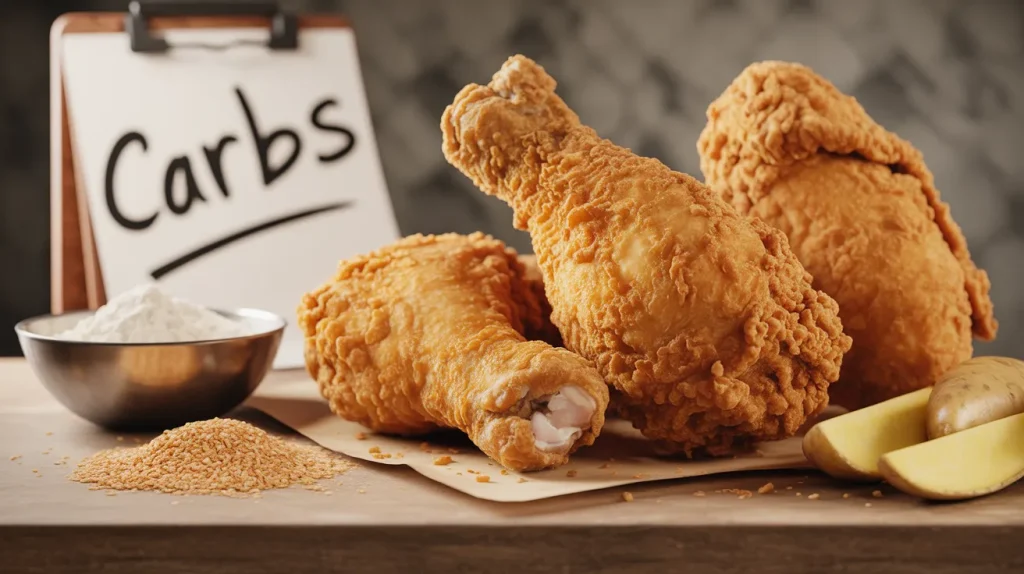
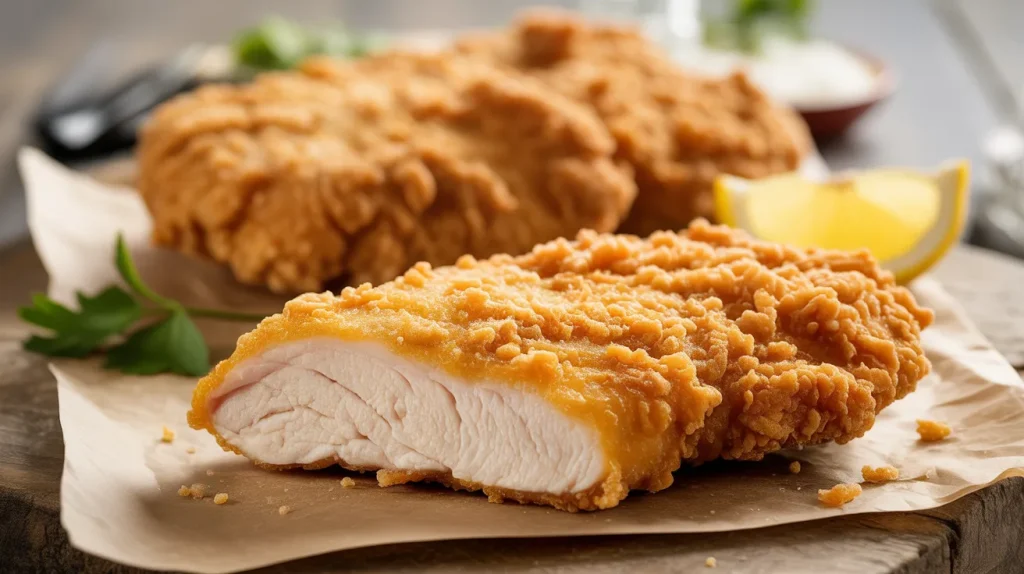
Fried chicken carbs come almost entirely from the breading and batter—not the chicken itself. Plain chicken contains zero carbohydrates, but once coated in flour or seasoned crust and deep-fried, carb content increases depending on thickness and preparation style.
This guide explains how many carbs are in fried chicken per piece, what affects totals, and how different cuts compare.
How Many Carbs Are in Fried Chicken?
Carbohydrates in fried chicken depend on:
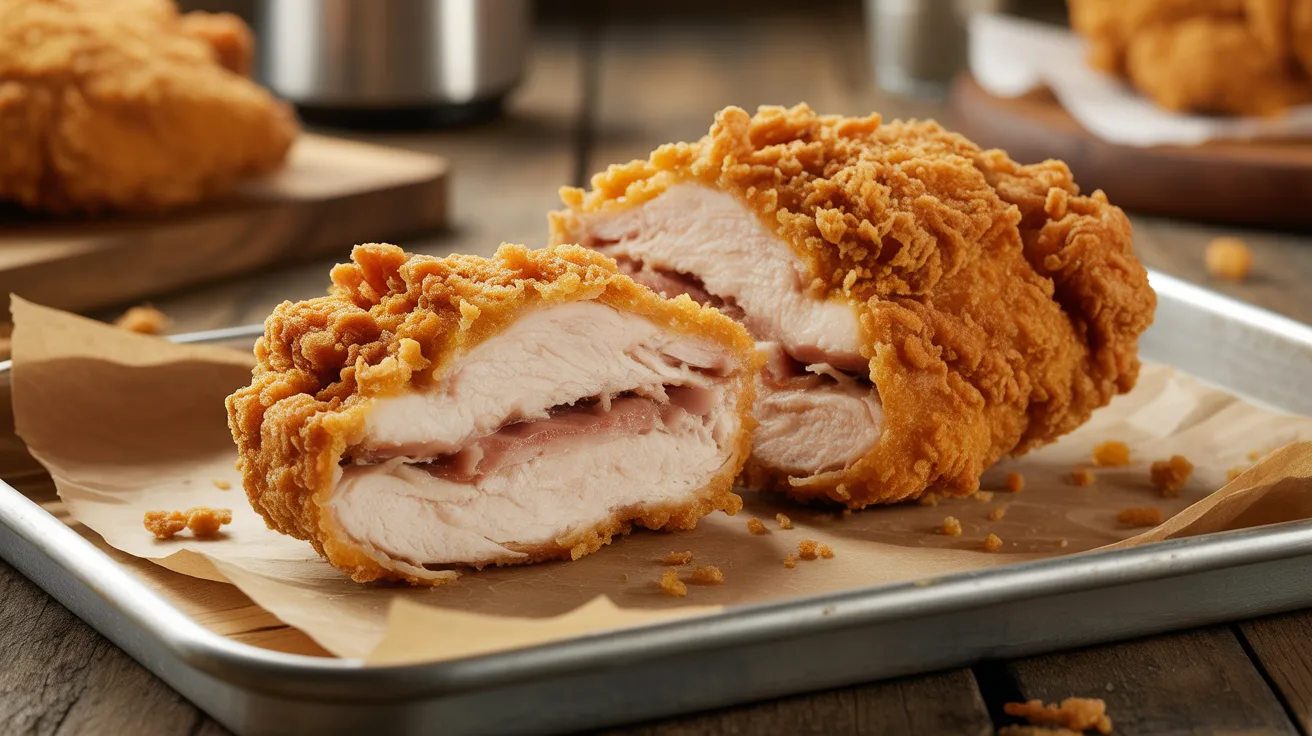
Breading thickness

Type of flour used
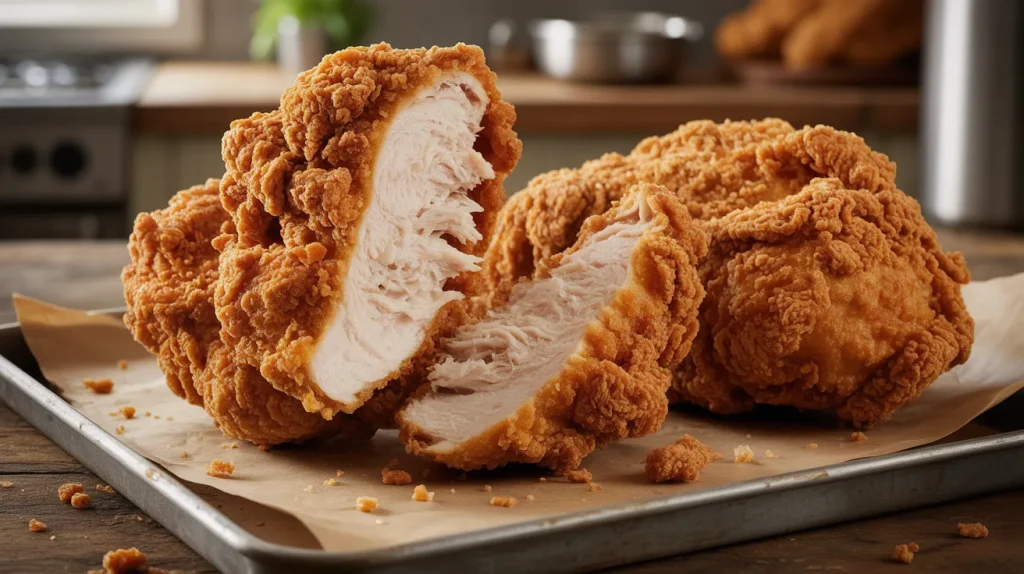
Double-coating or extra crunch styles
Portion size
On average:
- One piece of fried chicken contains 4–15 grams of carbs.
- Heavily breaded pieces may contain more.
The chicken meat itself contributes no carbs
Fried Chicken Carbs Per Piece
Here’s a realistic estimate for standard restaurant-style pieces:
| Chicken Piece | Approx Carbs | Notes |
|---|---|---|
| Drumstick | 5–8g | Light to moderate breading |
| Thigh | 8–12g | Larger surface area |
| Breast | 10–15g | Heaviest coating |
| Wing | 4–7g | Smallest piece |
Carb totals vary by brand and preparation.
For calorie context, see Fried Chicken Calories Per Piece
Why Breading Adds Carbs
Breading typically includes:

All-purpose flour

Cornstarch
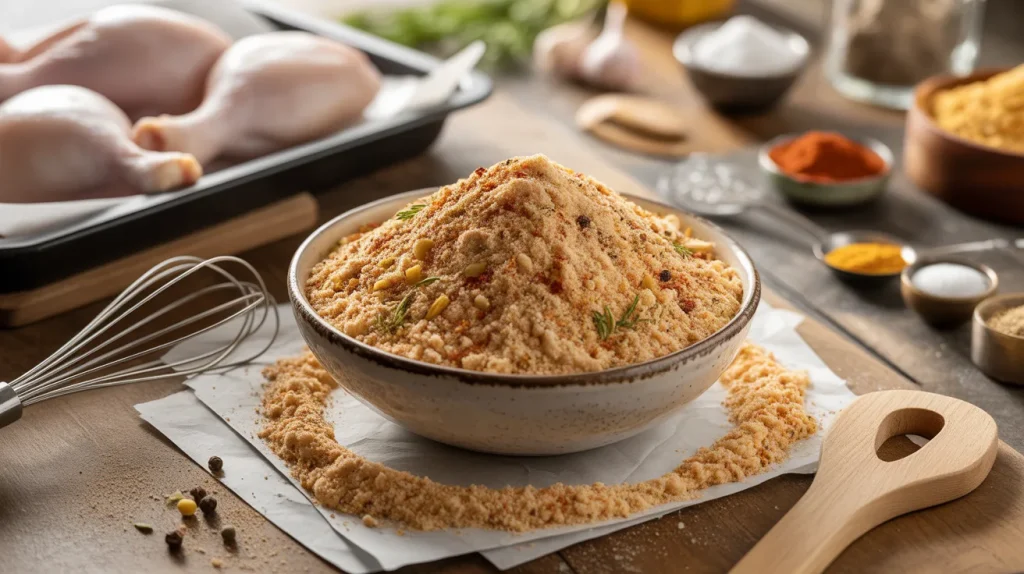
Seasoned coating mix

Sometimes buttermilk batter
Double-dipped or extra crispy styles contain:
- More coating
- Higher carb content
- Higher total calories
Thin-crust versions usually contain fewer carbs.
2 Piece Fried Chicken Carbs
Two-piece meals vary by combination:
| Combination | Approx Carbs |
|---|---|
| 2 Drumsticks | 10–16g |
| Drumstick + Thigh | 13–20g |
| Thigh + Breast | 18–27g |
| 2 Breasts | 20–30g |
Sides dramatically increase total carbs.
For full meal breakdown, see 2 Piece Fried Chicken Calories
Carbs in Fried Chicken With Sides
Most fried chicken meals include:

Biscuits

Fries
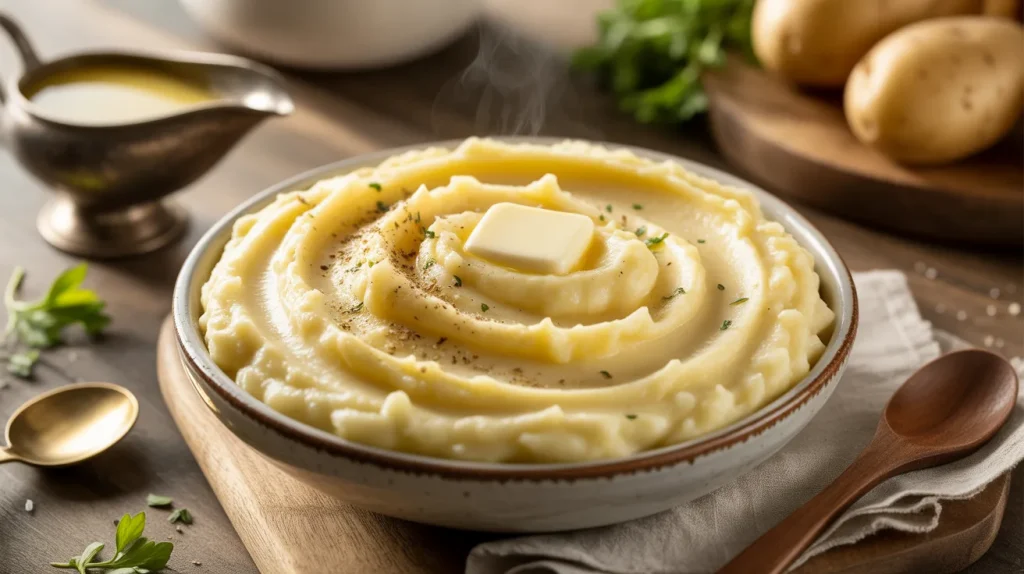
Mashed potatoes
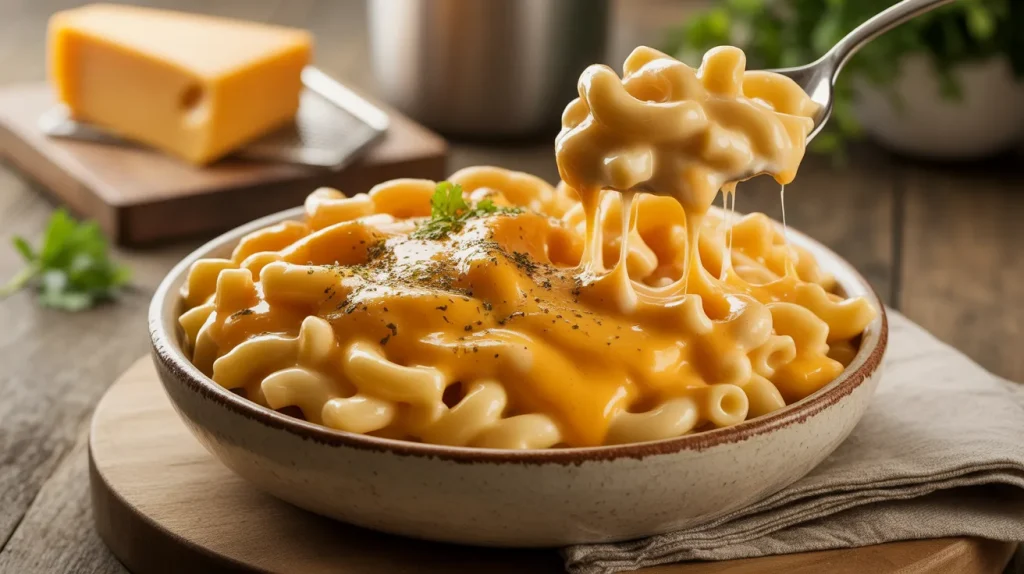
Mac & cheese
Typical carb additions:
| Side | Approx Carbs |
|---|---|
| Biscuit | 20–25g |
| Fries (medium) | 35–50g |
| Mashed potatoes | 25–35g |
| Mac & Cheese | 30–45g |
A full combo meal can exceed 60–100 grams of carbs depending on selections
Fried Chicken vs Grilled Chicken Carbs
Grilled chicken:
- 0g carbs (no breading)
- Lower calorie density
Fried chicken:
- 4–15g carbs per piece
- Higher total due to coating
Carb differences come entirely from the crust.
Low-Carb Fried Chicken Options
Carb totals can be reduced by.
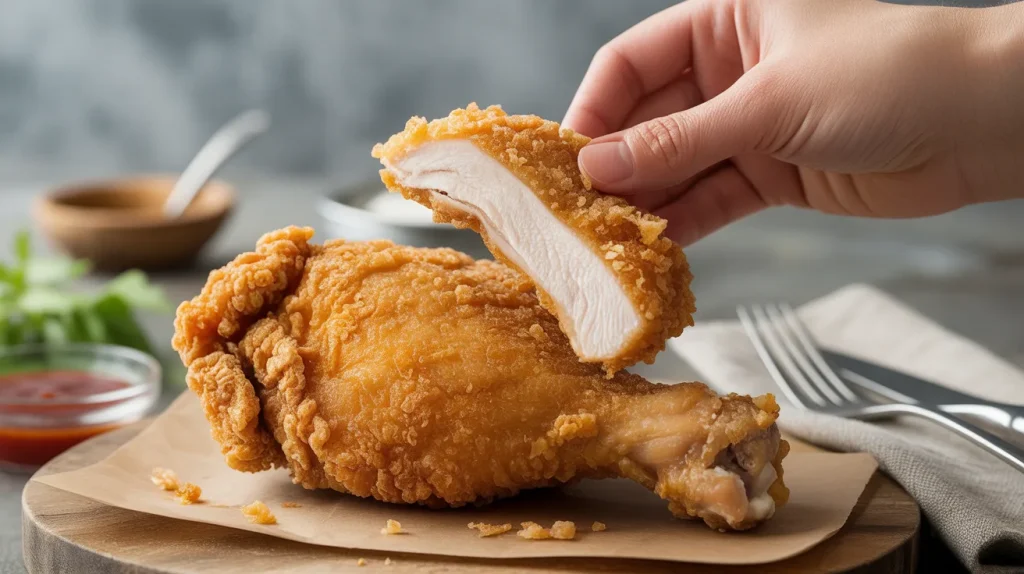
Removing breaded skin
Choosing lightly coated styles
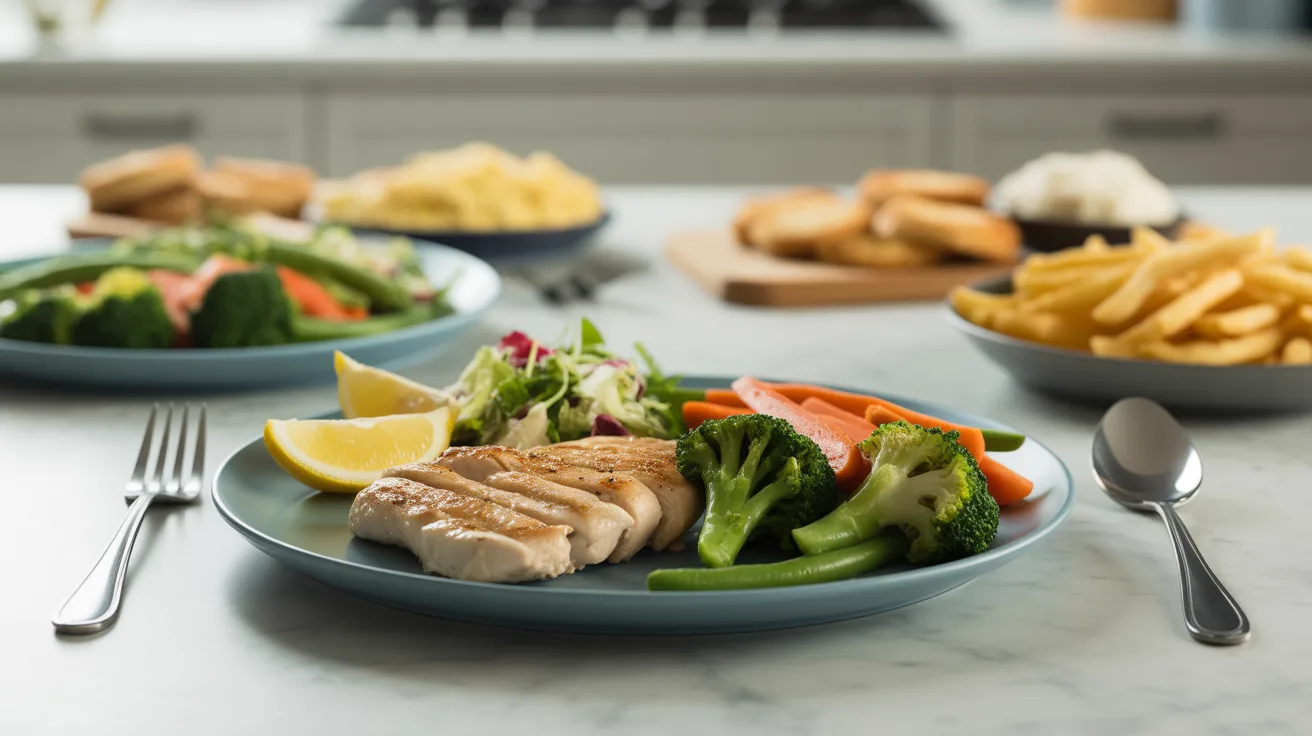
Skipping carb-heavy sides
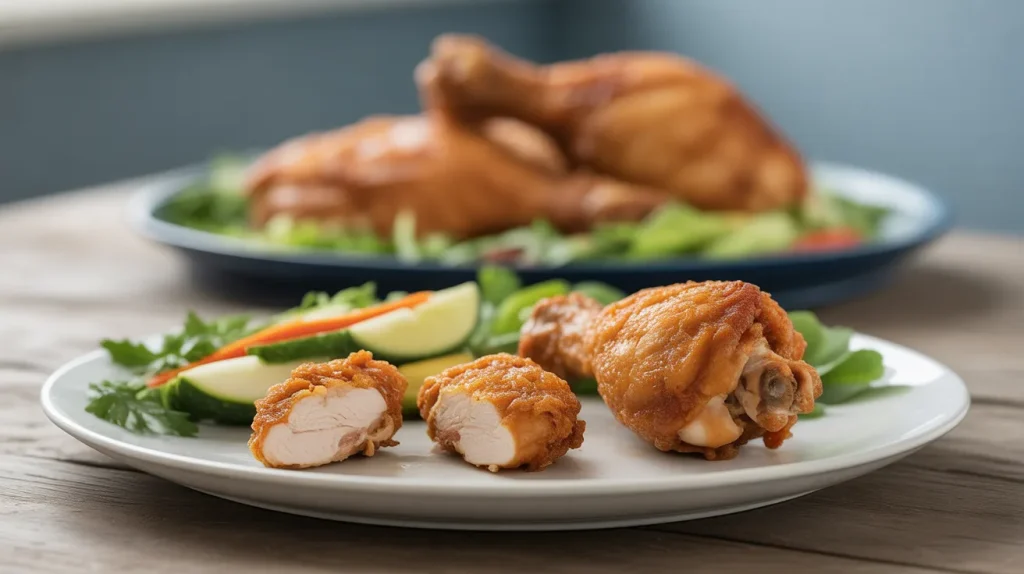
Choosing smaller pieces
Boneless tenders often contain more coating and therefore more carbs.
Restaurant vs Homemade Carb Differences
Restaurant versions often:
- Use standardized breading
- Apply thicker crust
- Include seasoned flour blends
Homemade versions may:
- Use lighter coating
- Use alternative flours
- Allow better portion control
Carb content varies significantly by recipe.
For overall breakdown, visit Fried Chicken Nutrition Facts
Carbs in Popular Restaurant Styles
Typical fast-food fried chicken:
- 8–15g carbs per average piece
- 20–30g per large white meat portion
Extra crispy or spicy styles may contain slightly higher carb counts
Frequently Asked Questions
Most pieces contain 4–15 grams of carbs depending on size and breading.
No. Plain chicken contains zero carbohydrates.
Yes. Wings usually have less breading and smaller surface area, resulting in fewer carbs.
Two pieces typically contain 10–30 grams of carbs depending on cut combination.
Yes. Coating thickness, flour mix, and preparation style differ between restaurants
Final Thoughts on Fried Chicken Carbs
Fried chicken carbs come from the breaded crust, not the meat itself. Larger cuts and thicker coatings increase carb totals, while wings and lightly breaded pieces contain fewer carbohydrates.
Understanding carb content per piece helps estimate full meal totals more accurately before ordering.
Nutrition values are estimates and may vary by restaurant and preparation method.