
Fried Chicken Protein
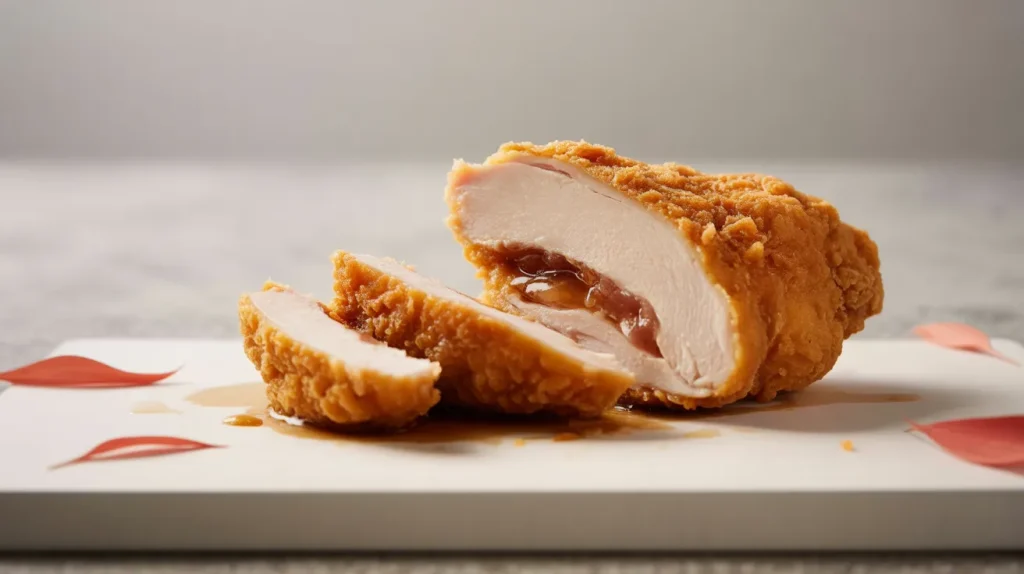
Fried chicken protein varies by cut, portion size, and preparation method. While frying adds fat and calories, the protein content comes directly from the chicken itself. A breast contains significantly more protein than a wing, while thighs and drumsticks fall in the middle.
This guide breaks down protein per piece, per serving, and how preparation affects totals.
How Much Protein Is in Fried Chicken?
Protein depends mainly on:
- The cut of chicken
- The size of the piece
- Bone-in vs boneless
- Portion size
On average:
- One piece of fried chicken contains 7–40 grams of protein.
- Two-piece meals often contain 20–50 grams of protein.
Protein Per Piece Breakdown
Here’s a realistic estimate for standard restaurant-style pieces:
| Chicken Piece | Approx Protein | Notes |
|---|---|---|
| Drumstick | 12–15g | Smaller dark meat cut |
| Thigh | 18–22g | Higher fat, moderate protein |
| Breast | 30–40g | Highest protein per piece |
| Wing | 7–10g | Smallest portion |
Breasts contain the most protein because they are the largest portion of lean meat.
For full calorie context, see Fried Chicken Calories Per Piece.
Protein in a 2-Piece Fried Chicken Meal
Protein totals depend on combination:
| Combination | Approx Protein |
|---|---|
| 2 Drumsticks | 24–30g |
| Drumstick + Thigh | 30–35g |
| Thigh + Breast | 48–60g |
| 2 Breasts | 60–80g |
White meat combinations provide the highest protein totals.
For calorie comparison, see 2 Piece Fried Chicken Calories.
Dark Meat vs White Meat Protein
White Meat (Breast)
- Leaner
- Higher protein per serving
- Larger portion
Dark Meat (Thigh & Drumstick)
- Slightly lower protein
- Higher fat content
- Smaller serving sizes
Both contain complete protein with essential amino acids.
Does Frying Reduce Protein?
Frying does not significantly reduce protein content.
However:
- Added breading increases carbs and fat
- Oil absorption increases calories
- Portion size still determines total protein
The chicken itself remains the primary protein source.
Protein vs Calories in Fried Chicken
Higher protein pieces often come with higher calories due to portion size.
Example:
- Breast = highest protein + highest calories
- Wing = lowest protein + lowest calories
Balancing portion size helps manage total intake.
For broader nutrition breakdown, see Fried Chicken Nutrition Facts.
Boneless vs Bone-In Protein
Boneless fried chicken typically contains:
- More meat per serving
- Higher protein per portion
- Slightly higher calorie density
Bone-in pieces include bone weight, which slightly reduces edible protein per piece.
Protein in Popular Restaurant Portions
Most fast-food two-piece meals provide:
- 20–50g protein depending on cuts
- 30–80g protein if larger white meat portions are chosen
Family bundles vary depending on piece distribution.
Is Fried Chicken a Good Protein Source?
Fried chicken contains complete animal protein, meaning it provides all essential amino acids.
However, it also includes:
- Added fats
- Breading carbohydrates
- Sodium
Protein quality remains high, but total nutrition depends on preparation and portion size.
Frequently Asked Questions
Protein ranges from 7g (wing) to 40g (breast) depending on the cut.
Chicken breast contains the highest protein per piece.
Protein content is similar by cut, but grilled chicken usually contains fewer added calories.
Two pieces typically contain 20–60 grams of protein depending on combination.
Removing skin reduces fat and calories but does not significantly change protein content
Final Thoughts on Fried Chicken Protein
Fried chicken protein levels depend mainly on cut selection and portion size. White meat provides the most protein per serving, while wings and drumsticks offer smaller amounts.
Understanding protein per piece helps estimate total intake more accurately before ordering.
Nutrition values are estimates and may vary by restaurant and preparation method.