
Fried Chicken Breast (Complete overview 2026)
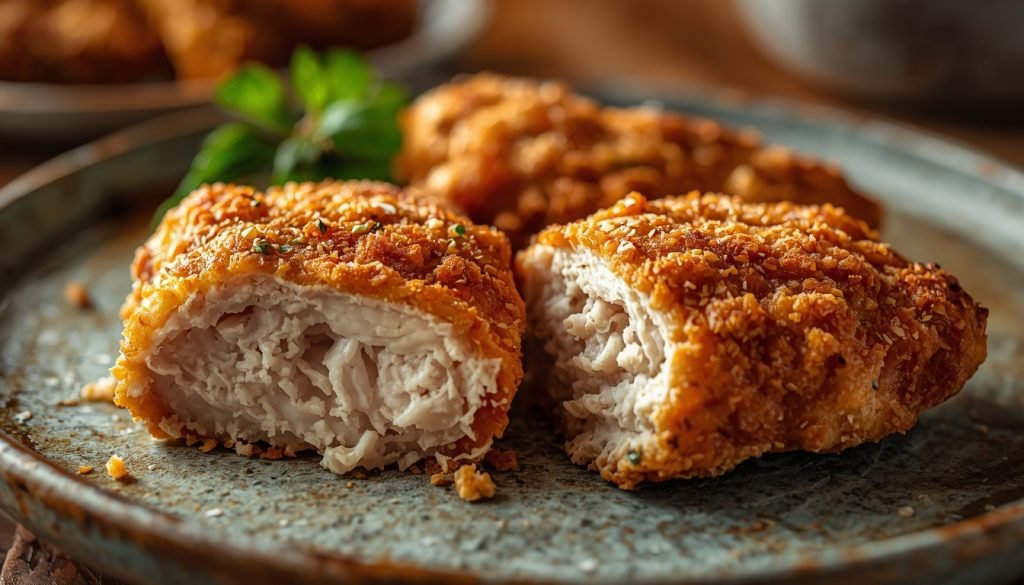
Fried chicken breast is a favorite for people who love crispy food but still want a leaner cut of meat. It offers the satisfying crunch of fried chicken with a texture that feels lighter and cleaner compared to darker cuts. When cooked properly, a chicken breast can be juicy inside, golden outside, and full of flavor.
Many home cooks search for fried chicken breast because it feels practical. It cooks quickly, works well in many meals, and is easy to pair with everyday sides. Whether you want a simple dinner, a sandwich filling, or a protein-packed meal, fried chicken breast fits the need. The key is understanding how to keep it tender while building a crisp coating.
What Makes Fried Chicken Breast Special
Chicken breast is naturally lean, which makes it different from thighs or drumsticks. This cut absorbs flavors well but can dry out if handled carelessly. When fried correctly, the outside becomes crisp and flavorful, while the inside stays moist and soft.
Crispiness is especially important for fried chicken breast because it adds contrast. A crunchy coating protects the meat from direct heat and helps lock in moisture. When done right, every bite gives you crunch first, followed by juicy chicken that does not feel heavy or greasy.
Another reason people enjoy fried chicken breast is versatility. It can be eaten on its own, sliced into wraps, layered into sandwiches, or served alongside vegetables and starches.
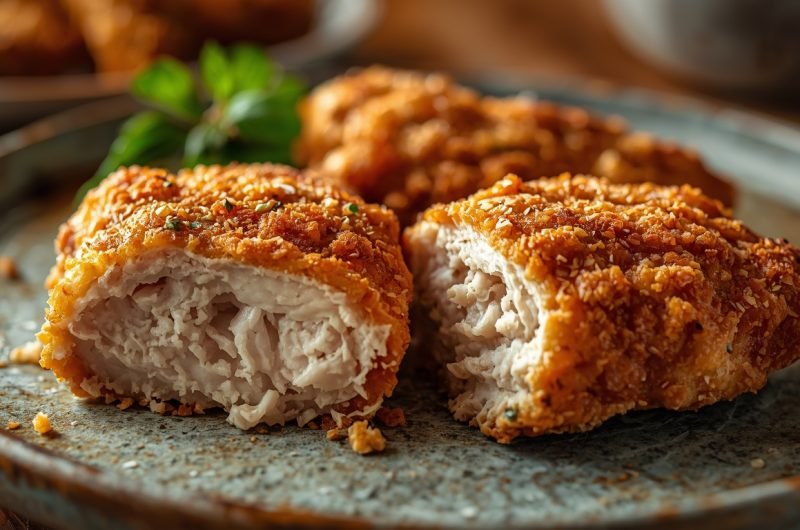
Ingredients Overview Friedchicken breast
Course: Fried Chicken Recipes4
servings30
minutes40
minutes300
kcalFried chicken breast does not require complicated ingredients. What matters more is how those ingredients work together.
Ingredients
Chicken breast is the main focus. Fresh, evenly sized pieces cook more consistently and are easier to manage in oil.
Seasoning adds depth to the meat. Simple salt and mild spices enhance natural flavor without overpowering it.
Flour or coating ingredients form the crispy outer layer. A light coating creates crunch without becoming thick or doughy.
Liquid elements such as eggs or milk help the coating stick evenly to the chicken surface.
Cooking oil should be suitable for frying and kept clean to avoid unwanted flavors.
How to Prepare Fried Chicken Breast
- Marination
Marination plays a crucial role in making juicy fried chicken breast. Since the meat is lean, it benefits from time to absorb moisture and flavor. A simple marinade softens the fibers and helps the chicken stay tender during frying.
Even a short resting period can make a noticeable difference. The goal is not strong flavor but balanced seasoning throughout the meat. - Coating
The coating should be even and light. Too much coating can overpower the chicken and trap moisture in the wrong way. A thin, well-adhered layer crisps quickly and evenly.
Pressing the coating gently onto the chicken helps it stick and prevents it from falling off during frying. The surface should look textured but not overloaded. - Frying
Frying requires attention. Oil that is too hot can burn the coating before the inside cooks. Oil that is too cool can make the chicken greasy.
Place the chicken gently into the oil and avoid crowding. Fry until the exterior turns a deep golden color and feels firm to the touch. Proper heat control ensures the inside cooks through while staying juicy.
After frying, letting the chicken rest briefly allows excess oil to drain and the juices to redistribute.
Variations of Fried Chicken Breast
Spicy Fried Chicken Breast
This version focuses on heat. Spices are added to the seasoning or coating to create a warm, lingering spice. The heat should complement the chicken, not hide its flavor.
Oven-Baked Crispy Fried Chicken Breast
For those avoiding deep frying, oven-baked options exist. These rely on a crisp coating and high heat to mimic fried texture. While slightly different from deep frying, they still offer crunch with less oil.
Buttermilk Fried Chicken Breast
This variation emphasizes tenderness. The chicken is soaked in a tangy liquid that helps soften the meat and adds subtle flavor. The result is a softer interior with a well-developed crust.
Each variation changes the experience slightly while keeping the core idea the same.
Tips for Perfect Fried Chicken Breast
- Avoid overcooking. Chicken breast dries quickly if left too long in oil.
- Keep oil temperature steady to prevent greasy results.
- Pat chicken dry before coating to help crispiness.
- Rest the chicken briefly after frying for better texture.
- Pair with light sides to balance the richness.
Serving Suggestions
Fried chicken breast works in many meals. It can be served with fresh salads for contrast, mashed potatoes for comfort, or fries for a classic pairing. It also works well sliced into sandwiches or wraps, adding crunch and protein.
Sauces and dips can enhance the experience. Creamy, tangy, or mildly spicy sauces complement the crisp exterior without overpowering the meat.
FAQs
Marination and proper heat control are key. Avoid frying too long and let the chicken rest after cooking.
Yes. Baking or shallow frying can produce crispy results with less oil, though the texture may differ slightly.
Even a short marination helps, but allowing enough time for seasoning to absorb improves tenderness and taste.
Creamy, tangy, and lightly spicy sauces balance the crisp coating and mild chicken flavor well.
Conclusion
Fried chicken breast remains popular because it combines crunch, flavor, and versatility. When handled carefully, it can be just as juicy and satisfying as other cuts while offering a lighter eating experience.
For home cooks, learning to prepare fried chicken breast opens the door to many meals and variations. With attention to marination, coating, and frying technique, it becomes a reliable and enjoyable dish worth making again and again.