
2 Piece Fried Chicken Calories
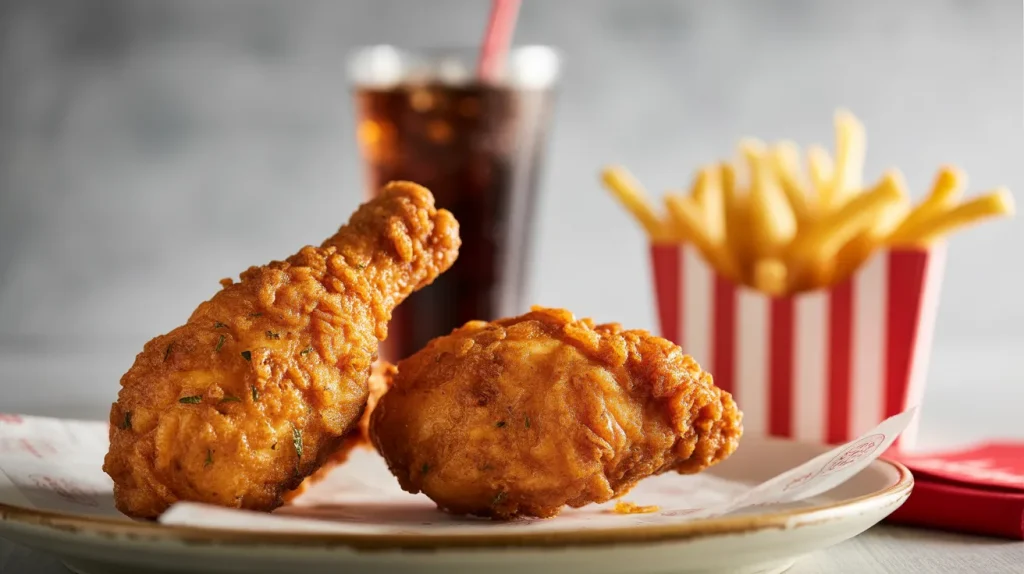
Two pieces of fried chicken can look simple on a plate, but calorie totals vary widely depending on the cut combination, breading style, and preparation method. A drumstick and thigh will have a very different calorie count compared to two breasts.
This guide breaks down realistic calorie ranges, portion impact, protein levels, and what changes total nutrition.
How Many Calories Are in 2 Pieces of Fried Chicken?
The total depends on:
- Which pieces are selected
- Size of each cut
- Breading thickness
- Oil absorption during frying
Here’s a practical estimate for standard restaurant-style pieces:
| Combination | Approx Calories | Notes |
|---|---|---|
| 2 Drumsticks | 260–360 | Smaller dark meat pieces |
| Drumstick + Thigh | 350–450 | Common mixed combo |
| Thigh + Breast | 570–700 | Larger portion size |
| 2 Breasts | 700–840 | Highest calorie pairing |
| 2 Wings | 180–300 | Smallest portion option |
Actual values vary by brand and preparation method.
For single-piece breakdowns, see Fried Chicken Calories Per Piece.
Calories by Chicken Cut
Understanding each piece helps estimate a two-piece total more accurately.
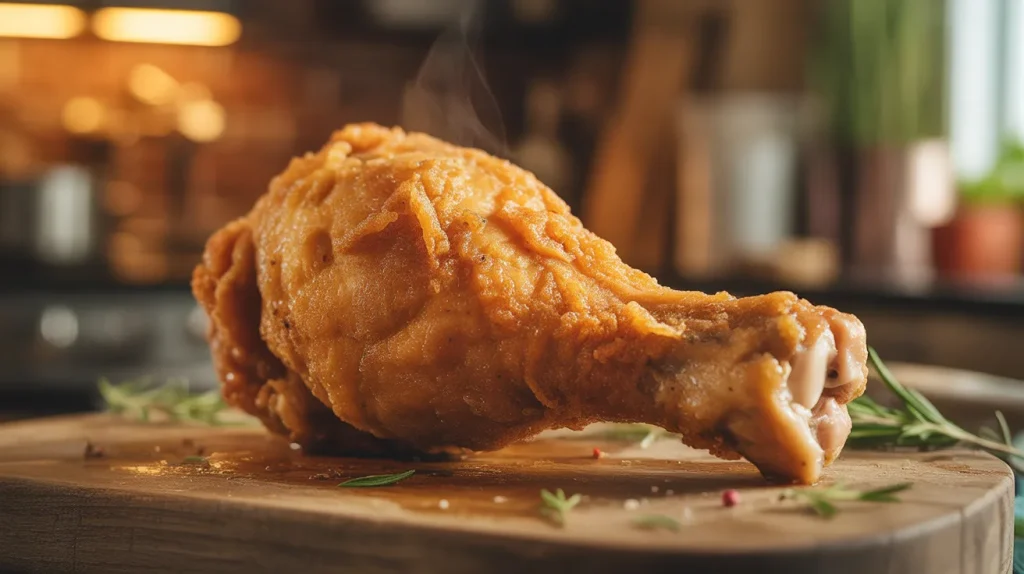
Drumstick
- 130–180 calories
- Moderate protein
- Smaller portion
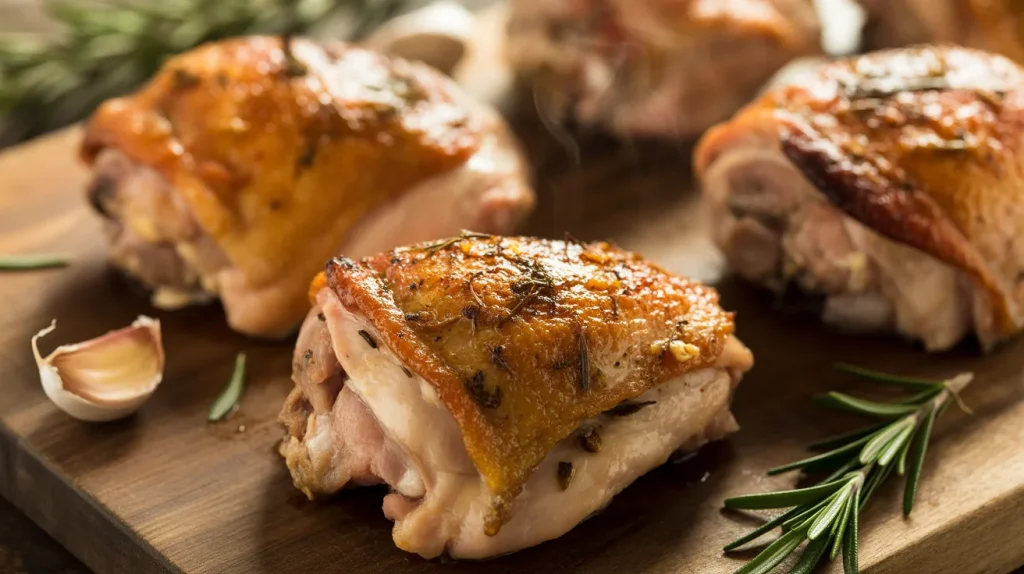
Thigh
- 220–300 calories
- Higher fat than drumstick
- Flavor-dense cut
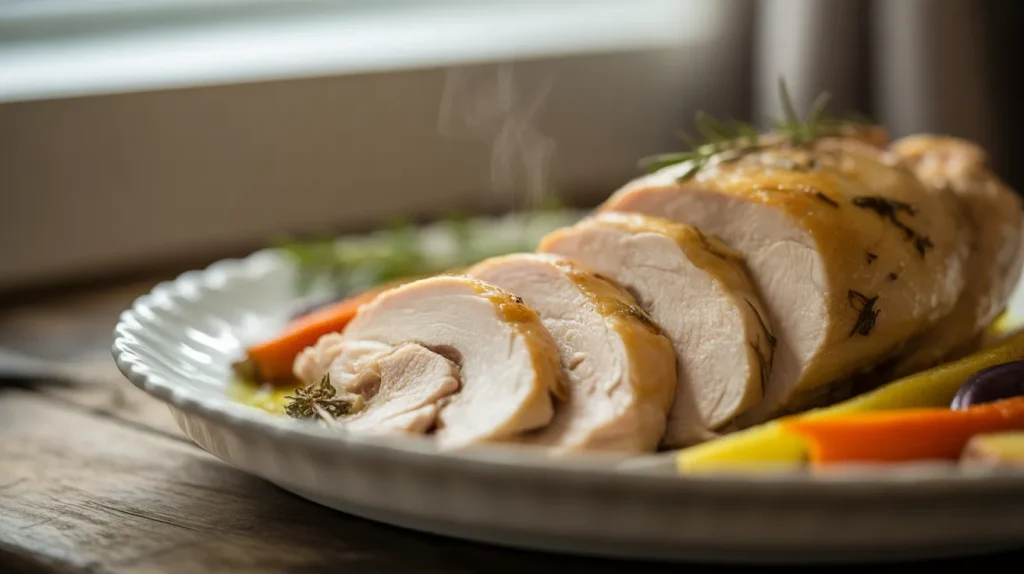
Breast
- 350–420 calories
- Highest protein
- Largest portion
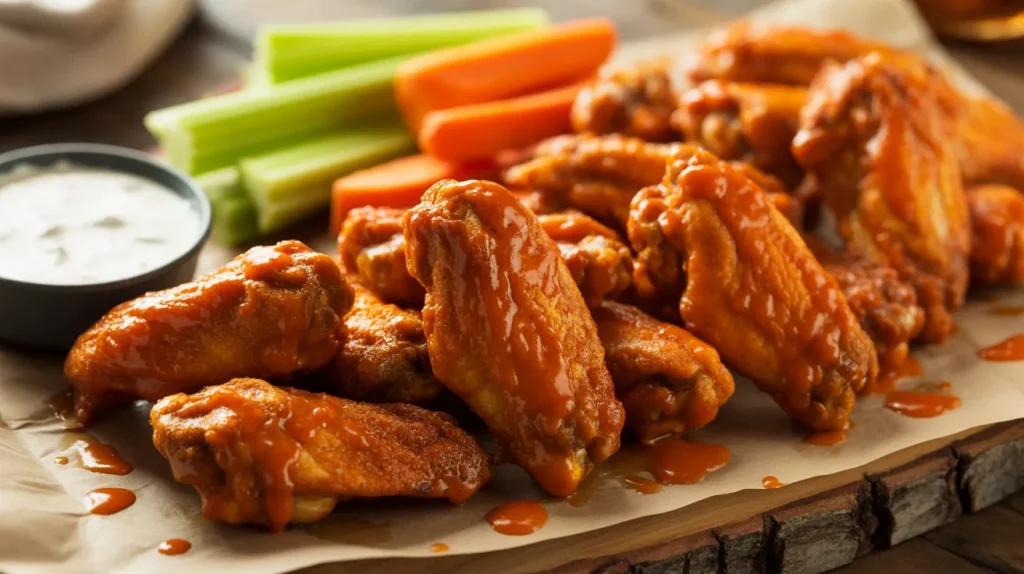
Wing
- 90–150 calories
- Smallest piece
Two-piece meals often mix dark and white meat, which changes calorie totals significantly.
2 Piece Fried Chicken Nutrition Breakdown
Below is an average estimate for a typical mixed two-piece meal (dark meat):
| Nutrient | Estimated Range |
|---|---|
| Calories | 350–500 |
| Protein | 20–35g |
| Carbs | 10–20g |
| Fat | 20–35g |
| Sodium | 500–1,000mg |
White meat combinations usually contain more protein but also more total calories due to portion size.
For broader data, visit Fried Chicken Nutrition Facts.
How Breading Changes Calories
Fried chicken itself contains no carbohydrates.
Calories increase from:
- Flour coating
- Batter layers
- Oil retained during frying
Heavier breading adds:
- More carbs
- More fat
- Higher total calories
Lightly breaded versions typically contain fewer calories than double-coated pieces.
Dark Meat vs White Meat (2-Piece Comparison)
| Type | Lower Calories? | Higher Protein? | Higher Fat? |
|---|---|---|---|
| 2 Dark Pieces | Moderate | Moderate | Higher |
| 2 White Pieces | Higher total | Higher | Moderate |
White meat contains more protein but usually comes in larger pieces.
Dark meat often contains slightly more fat.
Restaurant vs Homemade Differences
Restaurant-style fried chicken may:
- Contain higher sodium
- Use consistent breading thickness
- Have standardized oil absorption
Homemade versions vary based on:
- Oil type
- Frying temperature
- Breading thickness
Air-fried or oven-fried versions can slightly reduce added fat.
2 Piece Fried Chicken with Sides
Most meals include sides, which significantly increase calorie totals.
Example additions:
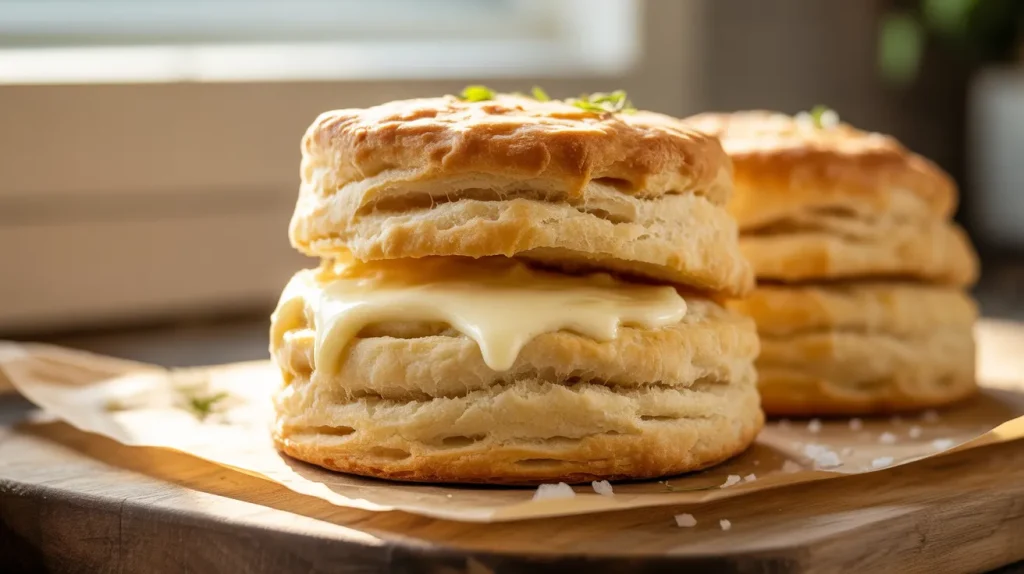
Biscuit: 180–230 calories
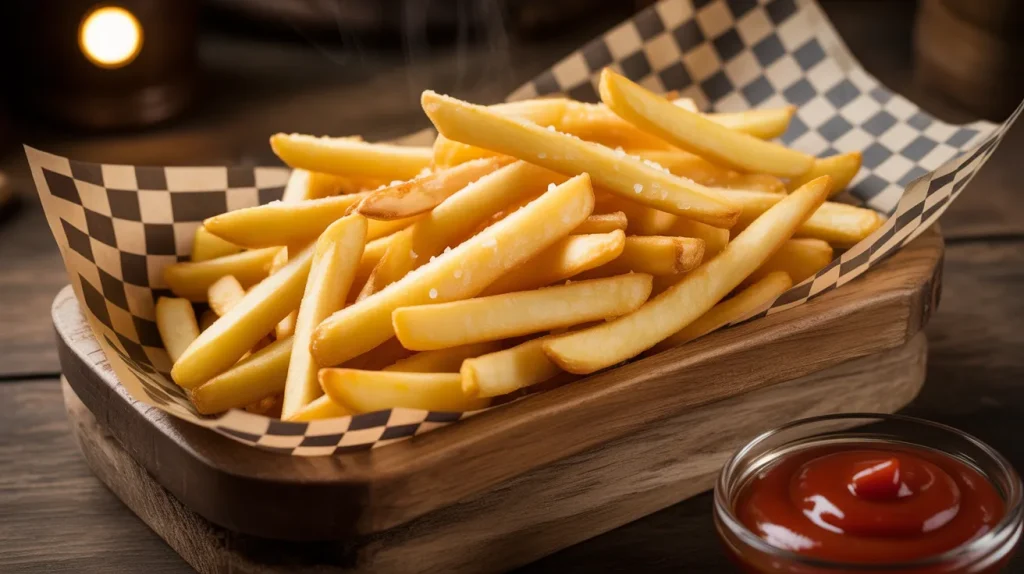
Fries (medium): 300–500 calories
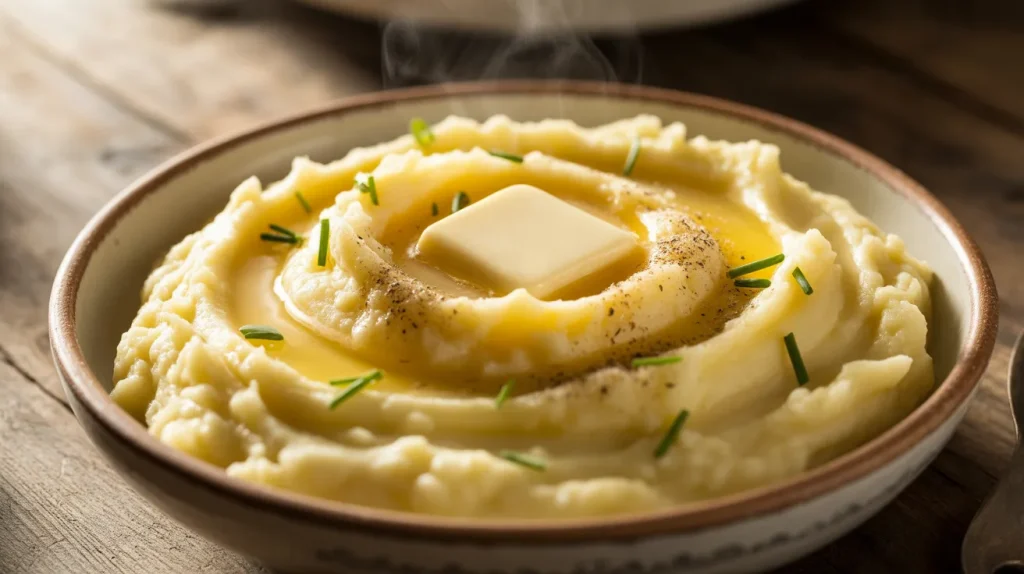
Mashed potatoes: 200–400 calories
A full 2-piece combo meal can easily exceed 800–1,200 calories depending on sides.
Portion Size Considerations
Two pieces may serve:
- One adult meal
- A lighter portion for two smaller appetites
- Part of a larger family bundle
Piece size varies by restaurant and location, which impacts calorie totals.
Frequently Asked Questions
Most two-piece combinations range from 260 to 840 calories depending on the cuts selected.
Two drumsticks or two wings typically contain the fewest calories.
Yes. Two breasts may contain 700–840 calories due to larger portion size.
Yes. Removing breaded skin lowers fat and overall calorie count.
Yes. Preparation methods, seasoning, and portion sizes differ by location.
Final Thoughts on 2 Piece Fried Chicken Calories
Two pieces of fried chicken can range widely in calories depending on the combination. Dark meat pairings usually fall in the mid-range, while white meat combinations are higher due to size.
Understanding piece selection helps estimate total meal impact more accurately.
Nutrition values are estimates and vary by restaurant and preparation method.