
Fried Chicken Nutrition Facts
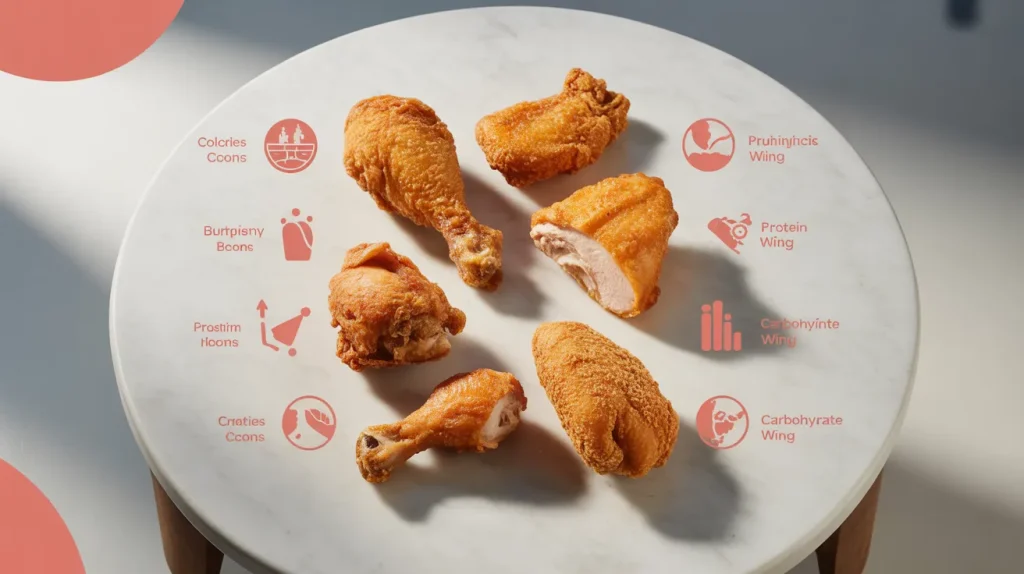
Fried chicken nutrition facts can vary significantly depending on the cut, breading, oil type, and portion size. Whether you’re ordering from a restaurant or cooking at home, understanding calories, protein, carbs, and sodium helps you make informed decisions before eating.
This guide breaks down fried chicken nutrition per piece, including drumsticks, thighs, breasts, and wings.
Calories in Fried Chicken
Fried chicken calories depend mainly on:
- The cut of chicken
- The amount of breading
- Oil absorption during frying
- Portion size
Dark meat cuts (like thighs) typically contain more calories than wings or drumsticks. Breasts are larger and usually have the highest calorie count per piece.
Adding sauces or sides increases total meal calories significantly.
Fried Chicken Nutrition Per Piece
Below is an estimated breakdown per standard restaurant-style piece.
| Chicken Cut | Calories | Protein | Carbs | Fat | Sodium |
|---|---|---|---|---|---|
| Drumstick | 130–180 | 12–15g | 5–8g | 8–12g | 250–400mg |
| Thigh | 220–300 | 18–22g | 8–12g | 15–22g | 400–600mg |
| Breast | 350–420 | 30–40g | 10–15g | 18–25g | 600–900mg |
| Wing | 90–150 | 7–10g | 4–7g | 6–9g | 180–300mg |
Values vary by restaurant and preparation style.
For more detailed calorie data, see Fried Chicken Calories Per Piece.
Fried Chicken Protein Content
Protein content depends heavily on portion size.
- Chicken breast provides the highest protein per piece.
- Thighs offer moderate protein with higher fat.
- Drumsticks and wings contain smaller protein amounts due to size.
On average:
- A 2-piece meal may contain 20–50 grams of protein.
- A single breast can contain over 30 grams.
If protein intake matters to you, white meat generally contains more per serving.
Learn more at Fried Chicken Protein.
Fried Chicken Carbs & Breading Impact
Chicken itself contains no carbohydrates.
Carbs come from:

Flour coating

Breading

Batter mixtures

Seasoned crust
Typical carb range per piece:
- 4–15 grams depending on breading thickness
Heavily breaded or double-coated chicken increases carbohydrate content significantly.
For more breakdowns, visit Fried Chicken Carbs.
Fried Chicken Sodium Levels
Sodium content is influenced by:

Marinades
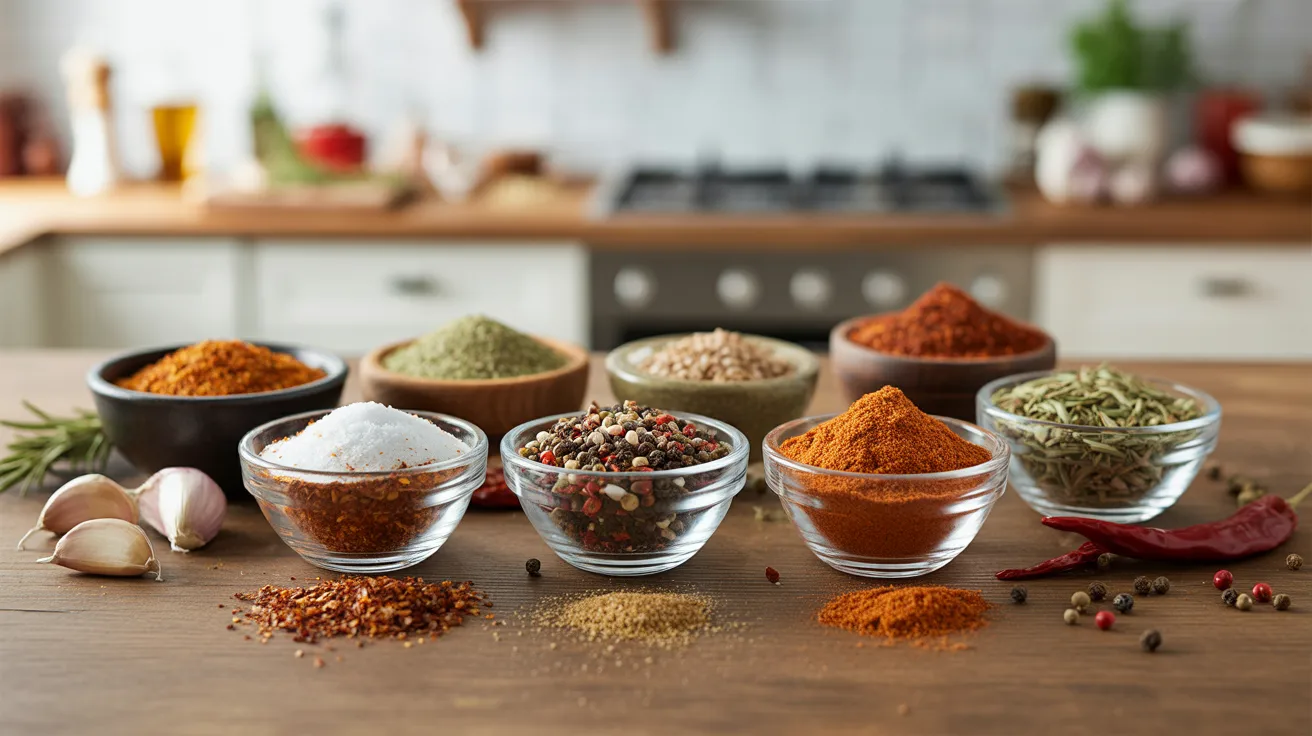
Seasoning blends

Breading
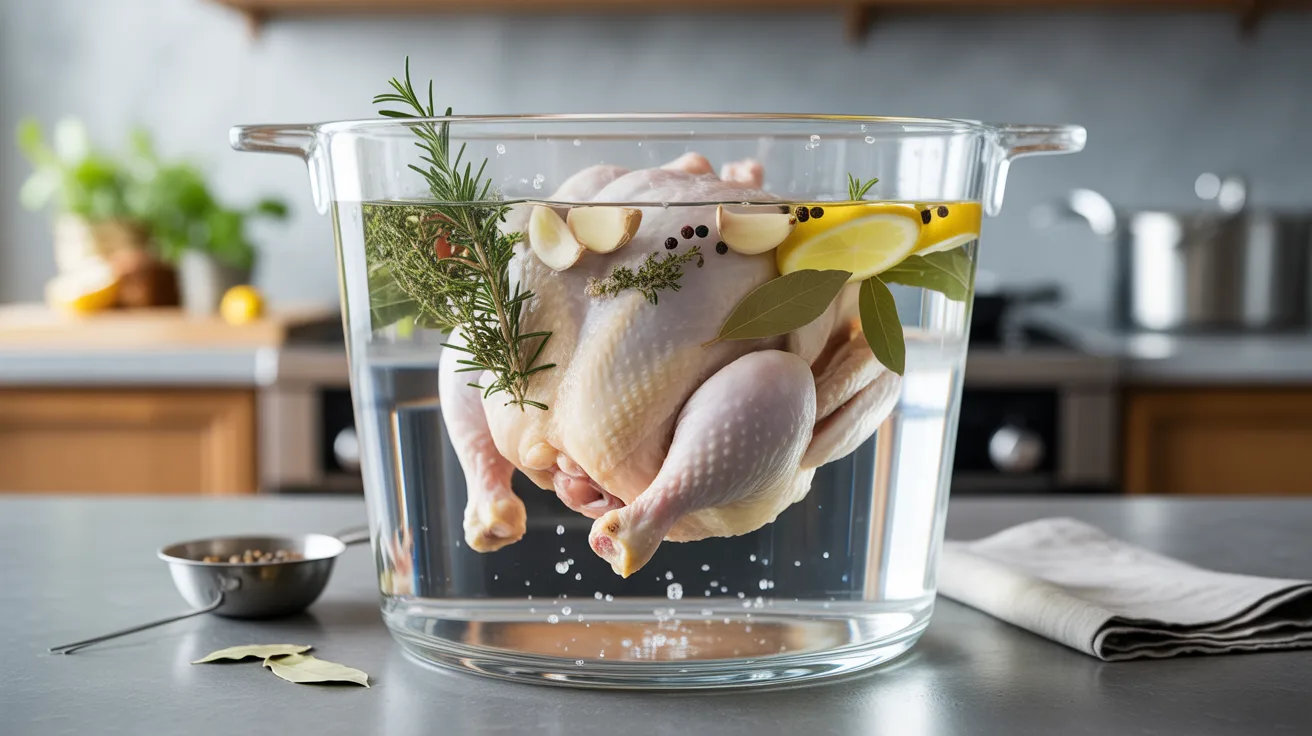
Brining process
Restaurant fried chicken often contains higher sodium levels due to flavoring techniques.
Estimated sodium per piece:
- Drumstick: 250–400 mg
- Thigh: 400–600 mg
- Breast: 600–900 mg
Sodium increases further when sauces are added.
Detailed information available at Fried Chicken Sodium.
2 Piece Fried Chicken Nutrition Breakdown
A typical 2-piece meal (mixed dark meat) may contain:
| Item | Estimated Range |
|---|---|
| Calories | 300–500 |
| Protein | 20–30g |
| Carbs | 10–20g |
| Fat | 18–30g |
| Sodium | 500–900mg |
If the meal includes a breast, totals increase.
Sides such as fries, biscuits, or mashed potatoes can double overall calories.
For more detail, see 2 Piece Fried Chicken Calories.
How Cooking Method Changes Nutrition
Nutrition differs depending on how the chicken is prepared.

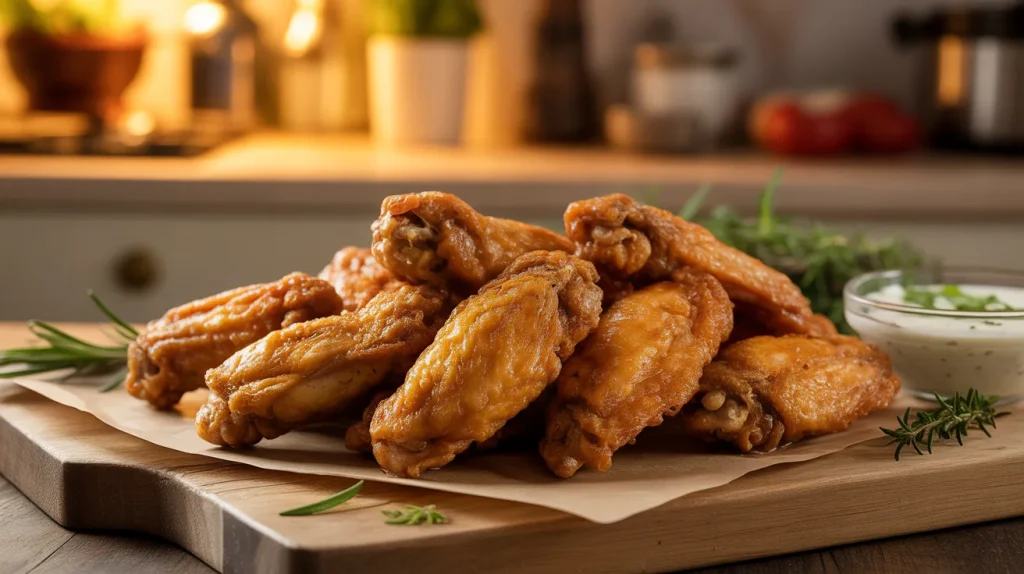
Deep-Fried
- Higher fat due to oil absorption
- Crispier coating
- Higher calorie density
Air-Fried
- Lower added oil
- Slightly reduced fat content
- Similar protein levels

Oven-Fried
- Often lower fat than deep frying
- Depends on added oil
Oil temperature also affects absorption. Lower frying temperatures can increase oil retention.
Dark Meat vs White Meat Nutrition
| Type | Higher Calories? | Higher Protein? | Higher Fat? |
|---|---|---|---|
| White Meat (Breast) | Yes (larger size) | Yes | Moderate |
| Dark Meat (Thigh) | Moderate | Moderate | Higher |
| Drumstick | Lower | Moderate | Moderate |
White meat typically contains more protein per serving, while dark meat contains slightly more fat.
Fried Chicken Nutrition in Restaurants vs Homemade
Restaurant versions often contain:
- More sodium
- More consistent breading
- Higher oil absorption
Homemade versions allow:
- Oil control
- Portion control
- Breading thickness adjustments
Nutrition varies widely between brands and locations.
Factors That Change Fried Chicken Nutrition
Several elements impact final nutrition numbers:
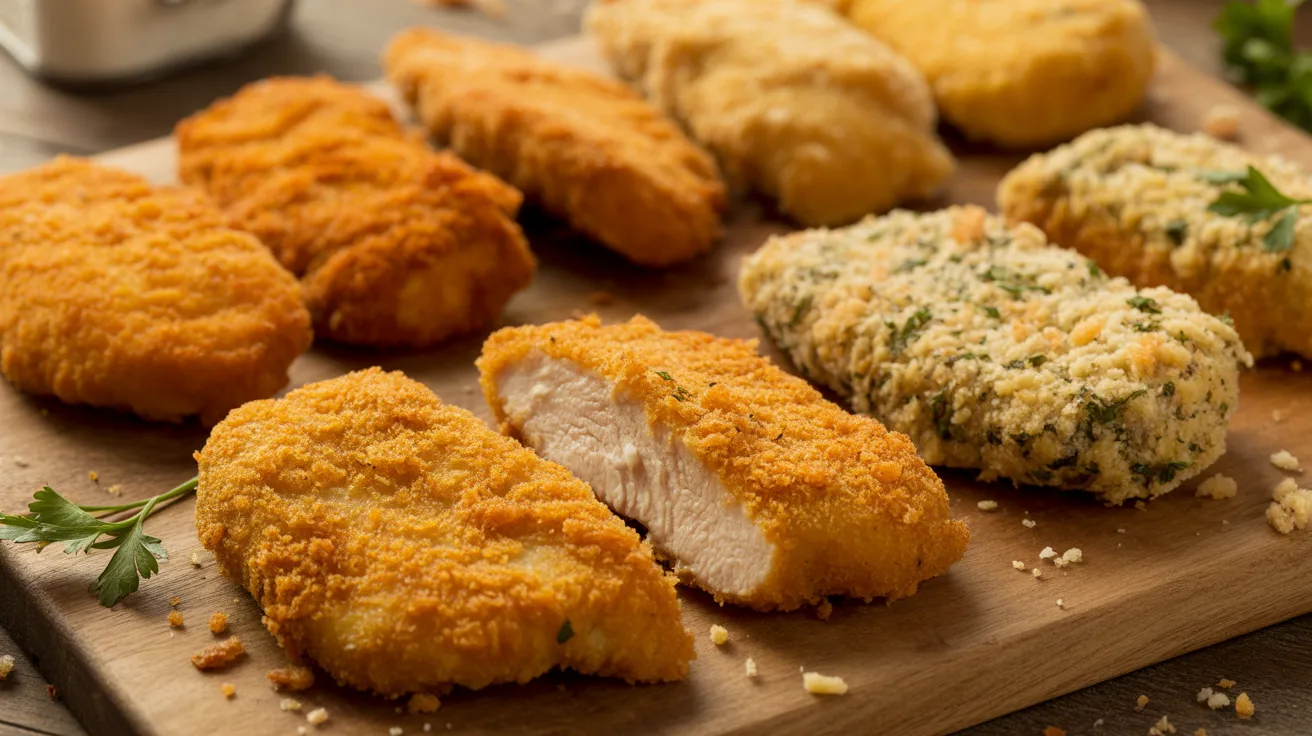
Breading thickness
Cooking time
Added sauces
Side dishes
Even within the same restaurant chain, variations may occur.
Frequently Asked Questions
Calories range from 90 to 420 per piece depending on cut and breading.
Chicken breast typically provides the most protein per serving.
Yes. Removing the skin and breading lowers fat and calorie content.
Carbs usually come from the breading and range between 4–15 grams per piece.
Air frying may reduce added oil compared to deep frying, which can lower overall fat content.
Final Thoughts on Fried Chicken Nutrition Facts
Fried chicken nutrition facts depend heavily on:
- Cut selection
- Cooking method
- Portion size
- Restaurant preparation
Understanding calories, protein, carbs, and sodium per piece helps you better estimate total meal impact.
Nutrition values are estimates and may vary by restaurant and preparation method. Always check specific brand nutrition guides when available.