
Fried Chicken Sodium

Fried chicken sodium levels vary depending on seasoning, brining, breading, and portion size. While the chicken itself naturally contains small amounts of sodium, most of the sodium in fried chicken comes from marinades, spice blends, and the seasoned coating used before frying.
This guide breaks down sodium per piece, per serving, and what changes total intake.
How Much Sodium Is in Fried Chicken?
Sodium content depends on:

Brining process

Seasoning blend

Breading mixture
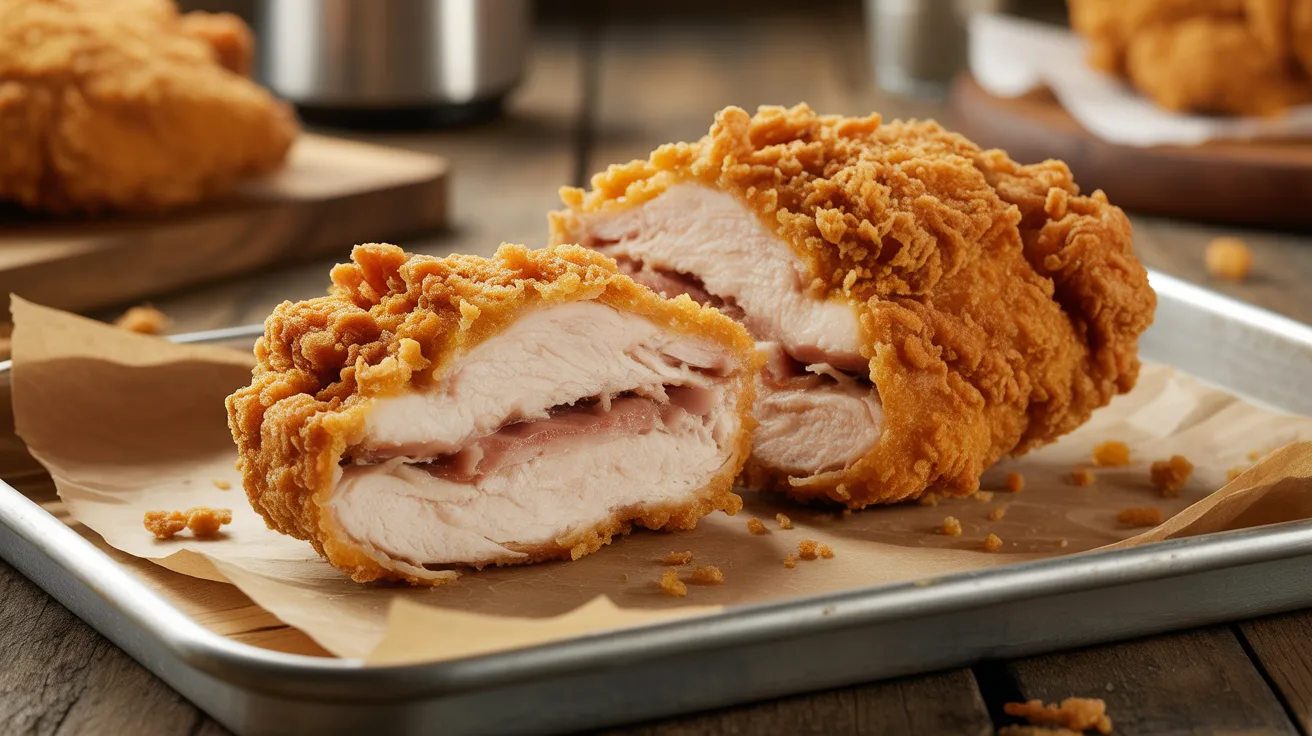
Portion size
On average:
- One piece of fried chicken contains 180–900 mg of sodium.
- A two-piece meal may contain 500–1,500 mg depending on the cuts selected.
Values vary by brand and cooking method.
Sodium Per Piece Breakdown
Here are realistic sodium estimates for standard restaurant-style pieces:
| Chicken Piece | Approx Sodium | Notes |
|---|---|---|
| Drumstick | 250–400 mg | Smaller dark meat cut |
| Thigh | 400–600 mg | More seasoning absorbed |
| Breast | 600–900 mg | Largest surface area |
| Wing | 180–300 mg | Smallest portion |
White meat pieces often contain more sodium due to larger breaded surface area.
For calorie comparison, see Fried Chicken Calories Per Piece.
Why Fried Chicken Contains Sodium
Sodium typically comes from:

Salt-based seasoning blends

Brining before frying

Marinades
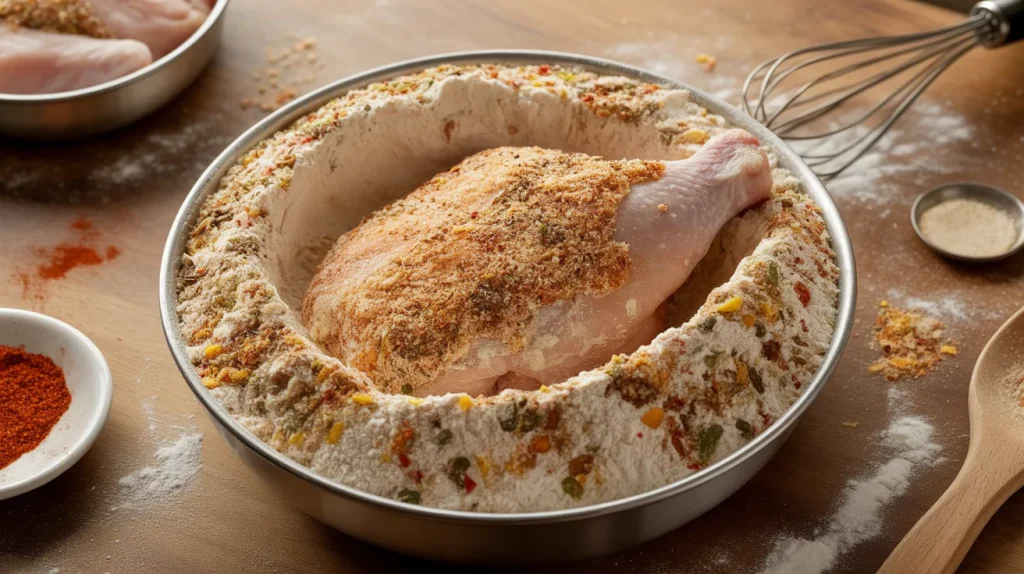
Breaded crust seasoning
Restaurants often pre-season both the meat and coating to maintain flavor consistency.
Sodium in 2 Piece Fried Chicken
Two-piece meals can vary widely.
| Combination | Approx Sodium |
|---|---|
| 2 Drumsticks | 500–800 mg |
| Drumstick + Thigh | 650–1,000 mg |
| Thigh + Breast | 1,000–1,400 mg |
| 2 Breasts | 1,200–1,800 mg |
Adding sauces or sides increases total sodium significantly.
For full breakdown, see 2 Piece Fried Chicken Calories.
Sodium in Fried Chicken With Sides
Sides often add substantial sodium.
| Side | Approx Sodium |
|---|---|
| Biscuit | 300–500 mg |
| Fries | 250–450 mg |
| Mashed Potatoes | 400–700 mg |
| Mac & Cheese | 500–900 mg |
A full combo meal can exceed 2,000 mg of sodium depending on selections.
Restaurant vs Homemade Sodium Levels
Restaurant fried chicken:
- Uses standardized seasoning
- Often brined for moisture
- May contain higher sodium for flavor consistency
Homemade versions:
- Allow control over salt levels
- Can use lighter seasoning
- Avoid commercial brining processes
Sodium varies significantly by preparation method.
For overall nutrition context, see Fried Chicken Nutrition Facts.

Dark Meat vs White Meat Sodium
| Type | Lower Sodium? | Why |
|---|---|---|
| Wing | Yes | Smaller portion |
| Drumstick | Moderate | Smaller cut |
| Thigh | Higher | Larger seasoning surface |
| Breast | Highest | Largest piece |
Larger pieces usually absorb more seasoning.
Does Removing the Skin Reduce Sodium?
Yes.
Most sodium is concentrated in:

Seasoned breading
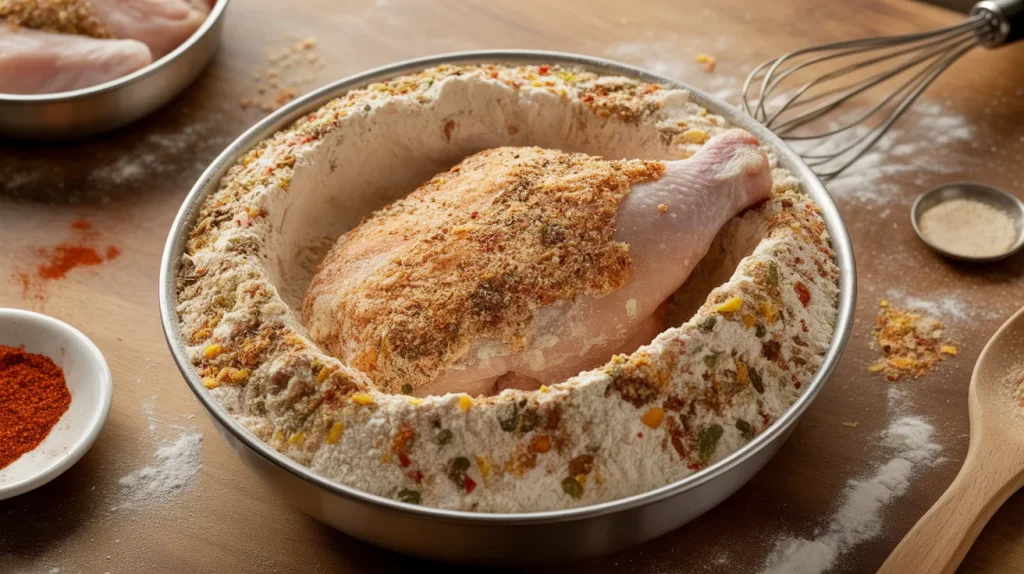
Outer crust
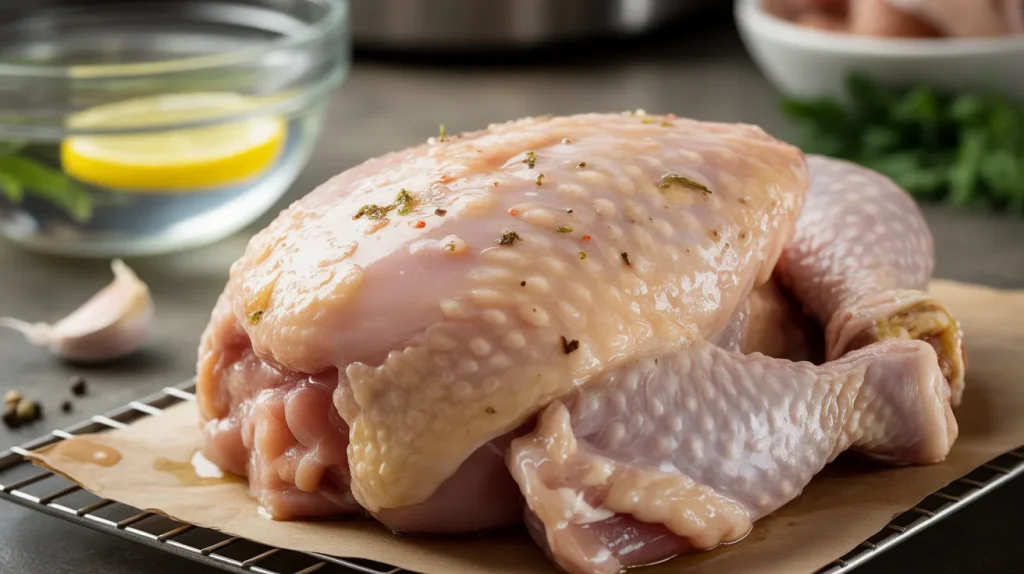
Brined surface layer
Removing the breaded skin can lower sodium intake.
Air-Fried vs Deep-Fried Sodium
Cooking method itself does not change sodium significantly.
However:
- Air-fried versions may use lighter coating
- Less breading can slightly reduce sodium
The main factor remains seasoning and brining.

Frequently Asked Questions
Sodium ranges from 180 to 900 mg depending on cut and preparation.
Wings and drumsticks typically contain less sodium due to smaller size.
Restaurant-style fried chicken often contains moderate to high sodium levels due to seasoning and brining.
Two pieces usually contain between 500 and 1,800 mg depending on the combination.
Yes. Seasoning blends and preparation methods differ between brands and locations.
Final Thoughts on Fried Chicken Sodium
Fried chicken sodium levels depend largely on seasoning, brining, and portion size. Larger pieces typically contain more sodium due to increased surface area and heavier coating.
Understanding sodium per piece helps estimate full meal impact more accurately before ordering.
Values are estimates and may vary by restaurant and preparation method.