
Fried Chicken Sandwich Recipe (A Home-Cook’s Favorite)
I still remember the first time I tried to make a fried chicken sandwich at home. The chicken tasted good, but the coating went soft within minutes, and the bun felt heavier than the filling. That experience pushed me to experiment, adjust, and cook this sandwich again and again until it finally felt right. This fried chicken sandwich recipe comes from those trial-and-error moments in a regular home kitchen, not a test lab. It’s the kind of sandwich you make on a relaxed weekend, when you want something comforting but a little special. The goal here is simple: juicy chicken, a crunchy crust that holds up, and flavors that feel balanced instead of overwhelming. If you enjoy cooking and want a sandwich that feels homemade yet satisfying, this recipe is designed for you.
Why This Fried Chicken Sandwich Is Special
What makes this sandwich stand out is restraint. Instead of piling on too many spices or sauces, the focus stays on texture and seasoning balance. The chicken is tender because it rests in a seasoned liquid long enough to soften the meat. The crust turns crisp because of how the flour is treated, not because of heavy breading.
Another reason this is one of the best fried chicken sandwich styles for home cooks is flexibility. You can make it mild or spicy, simple or dressed up. It doesn’t depend on special equipment or unusual ingredients. Most importantly, it tastes like something made with care, not rushed.
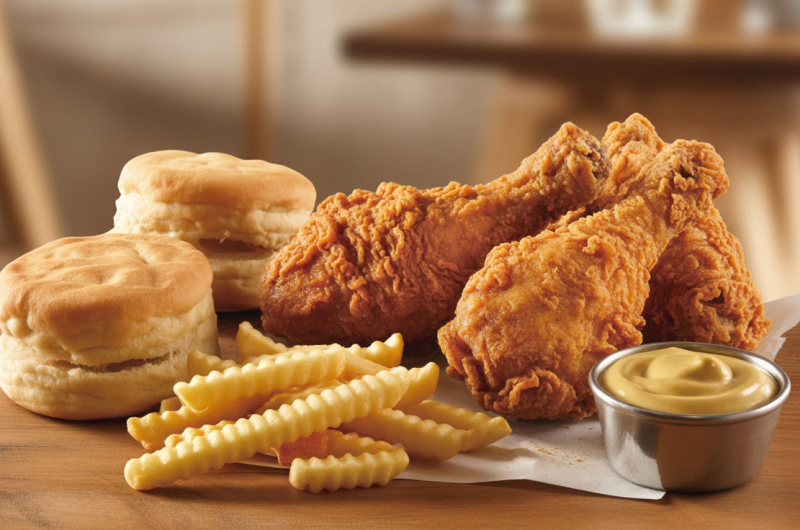
Fried Chicken Sandwich Recipe
Course: Fried Chicken Recipes4
servings20
minutes15
minutes650
kcalIngredients (With Simple Explanations)
Chicken
Boneless chicken breasts work well here. Slice them lengthwise so each piece is evenly thick. This helps them cook at the same speed and keeps the meat juicy.Marinade Base
Instead of plain milk, use a slightly tangy liquid such as cultured milk or a yogurt-based mix. The gentle acidity softens the meat and adds subtle flavor without making it sour.Breading
A mix of flour and a light starch gives the coating structure and crunch. The starch keeps the crust from feeling dense.Seasoning
Keep it simple: salt, mild paprika, garlic powder, and black pepper. These seasonings support the chicken rather than masking it.Oil
Choose a neutral oil that can handle heat without smoking. The oil choice matters more than many people think—it affects both flavor and texture.Buns & Toppings
Soft buns with a little sweetness pair well with fried chicken. Pickles, lettuce, and a basic sauce are more than enough.
Step-by-Step Cooking Method
- Preparing the Chicken
Start by trimming the chicken and slicing it evenly. Place it in a bowl and pour the marinade over it. Make sure each piece is coated. Cover and refrigerate for a few hours. This rest time is not optional; it’s what makes the chicken tender. - Setting Up the Coating
In a shallow bowl, combine your flour mixture and seasonings. Stir it well so the spices don’t settle at the bottom. Texture matters here—use a fork or your fingers to break up any clumps. - Coating the Chicken
Take one piece of chicken at a time. Let excess marinade drip off, then press it into the flour mixture. Don’t just roll it—press gently so the coating sticks. For a thicker crust, repeat the dip and coat process once more. - Frying
Heat your oil slowly. Rushing this step often leads to greasy chicken. When the oil is hot enough, carefully lower the chicken in. Avoid crowding the pan. Let the chicken cook undisturbed until the crust sets, then turn it. Once done, move it to a raised rack instead of paper towels. - Assembling the Sandwich
Lightly toast the buns. Spread your sauce on the bottom bun, place the chicken on top, add pickles or lettuce, then close it up. Let it sit for a minute before eating—this helps everything settle.
Tips for Extra Crispy Chicken
- Let the coated chicken rest briefly before frying. This helps the crust cling better.
- Keep your oil steady. Temperature swings cause soggy spots.
- Use a rack after frying. Air circulation keeps the crust crisp.
- Season the chicken lightly while it’s hot. Salt sticks best at this stage.
These small adjustments make a noticeable difference in a crispy fried chicken sandwich.
Sauce & Topping Ideas
Sauce can change the personality of the sandwich without changing the chicken itself.
- Simple creamy sauce: Mix mayonnaise with a little vinegar and black pepper.
- Spicy option: Add chili paste or hot sauce to your base sauce.
- Sweet balance: A small drizzle of honey works surprisingly well with fried chicken.
- Fresh crunch: Shredded cabbage or thin onion slices add texture.
Avoid piling on too many toppings. The chicken should stay the star.
Common Mistakes to Avoid
- Skipping the marinade time. This leads to dry meat.
- Frying at low heat. The coating absorbs oil instead of crisping.
- Over-seasoning the flour. Too much spice burns quickly.
- Pressing the sandwich down before eating. This squeezes out juices and softens the crust.
Serving Suggestions
This sandwich pairs well with simple sides. Oven-baked potatoes, a light salad, or even sliced fruit balance the richness. For drinks, iced tea or lemonade keeps things refreshing without overpowering the flavors.
FAQs
Yes. You can marinate the chicken earlier in the day and mix the dry coating in advance.
Yes. The steps are straightforward, and the techniques are forgiving if you keep the oil temperature steady.
Absolutely. Thighs are juicier and work very well in sandwiches.
Reheat the chicken in an oven or air fryer. Avoid the microwave, which softens the crust.
Conclusion
Making a fried chicken sandwich at home doesn’t require fancy tricks—just patience, attention, and good ingredients. This fried chicken sandwich recipe is meant to feel approachable and adaptable, whether you keep it simple or add your own twist. Once you try it, you’ll notice how much better a homemade sandwich can be when it’s cooked with intention.